
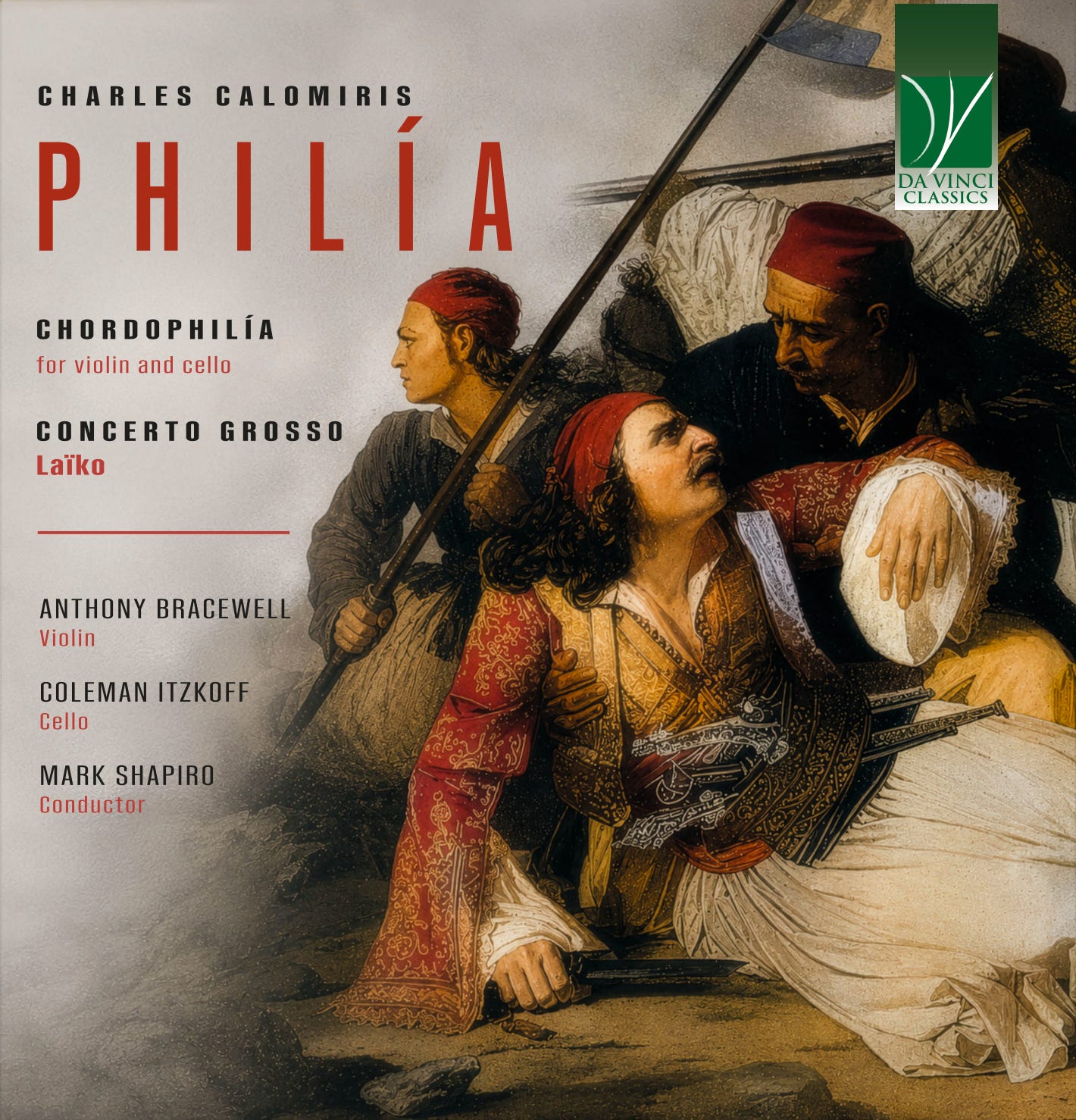
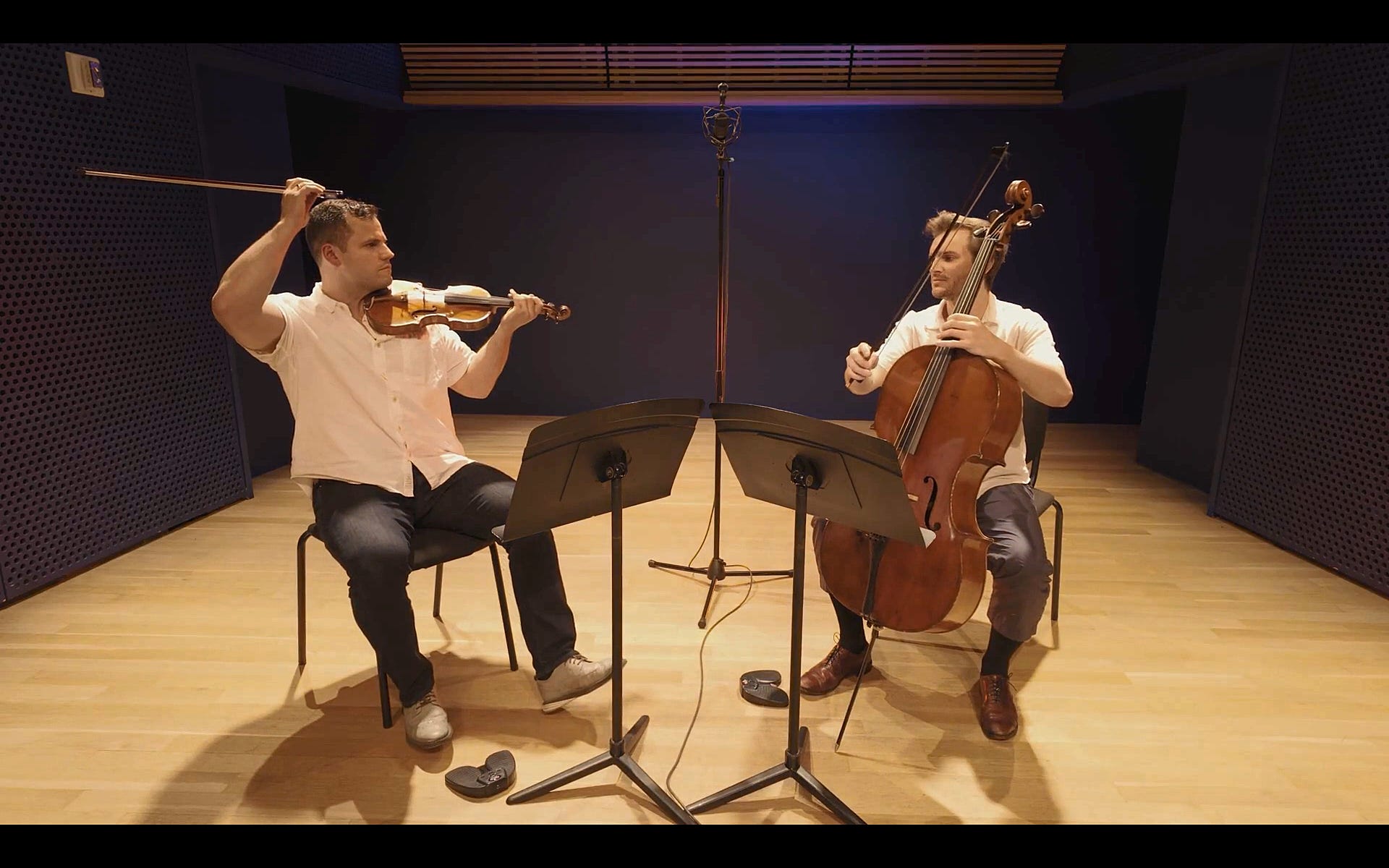
The April 15 issue of Ákou! announced our collaboration with Maestro Mark Shapiro, who conducted our June recording of my Concerto Grosso Laїko. The recording will be released as part of our forthcoming album, Philía which is featured in a Project Page at the Pano Hora Ensemble website. The rehearsals and recording session for the Concerto Grosso Laїko were a delightful learning experience for the Pano Hora Ensemble, and for me personally. Maestro Shapiro’s skill, sensibility, and disarming humor made our three days together a pleasure for everyone – a fact that is visible in the photos and videos taken during the recording session.
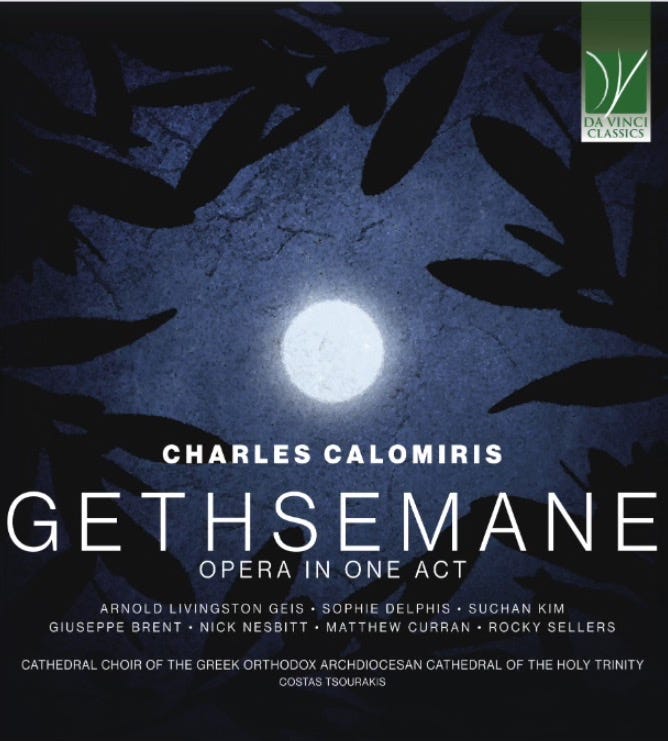
The recording session was also our first step in preparing for the live performance of the Concerto Grosso Laїko, which will occur at Merkin Hall on March 19 and 20, 2027. It is one of two world premieres that will be performed on both those nights. The second is the one-act opera, Gethsemane. I am very pleased to announce that Maestro Shapiro has agreed to conduct those live performances.
We recorded the Concerto Grosso Laïko at Cary Hall, which is part of New York City’s DiMenna Center for Classical Music. This was our second visit to Cary Hall – it was also the venue for our November 2023 concert, Old World, New World – but it was our first time using the facility to record tracks for an album. Cary Hall is a famous choice for recording classical music, and it has hosted numerous Grammy winners over the years.
The space is both warm and grand. Our engineers – Rocky Russo and Godfrey Furchtgott – were ably assisted by a team of engineers from the DiMenna Center, who helped to organize the soundscape. There was plenty of room for the performers. And there were many microphones in place – at least one for each instrument plus room mics – to ensure that we could pick up every instrument’s sound and combine them to achieve the appropriate mix.
The Concerto Grosso Laïko is a celebration of the resilience and indomitable spirit of common people, inspired by the Greek Revolutionary experience. In his landmark book, The Greek Revolution: 1821 and the Making of Modern Europe, Mark Mazower writes that “the revolution of 1821 had succeeded because beyond the epic and oft-celebrated moments of individual bravery and self-sacrifice, it was fundamentally a story of social endurance in the face of systemic upheaval. It was not so much their victories that gave the Greeks independence as it was their refusal to accept defeat.” Enlightenment ideas of freedom, or simply nationalism, may have motivated some of the Greeks’ leaders to take up arms, but it was common peoples’ willingness to sacrifice until victory was achieved that produced the Revolution’s success.
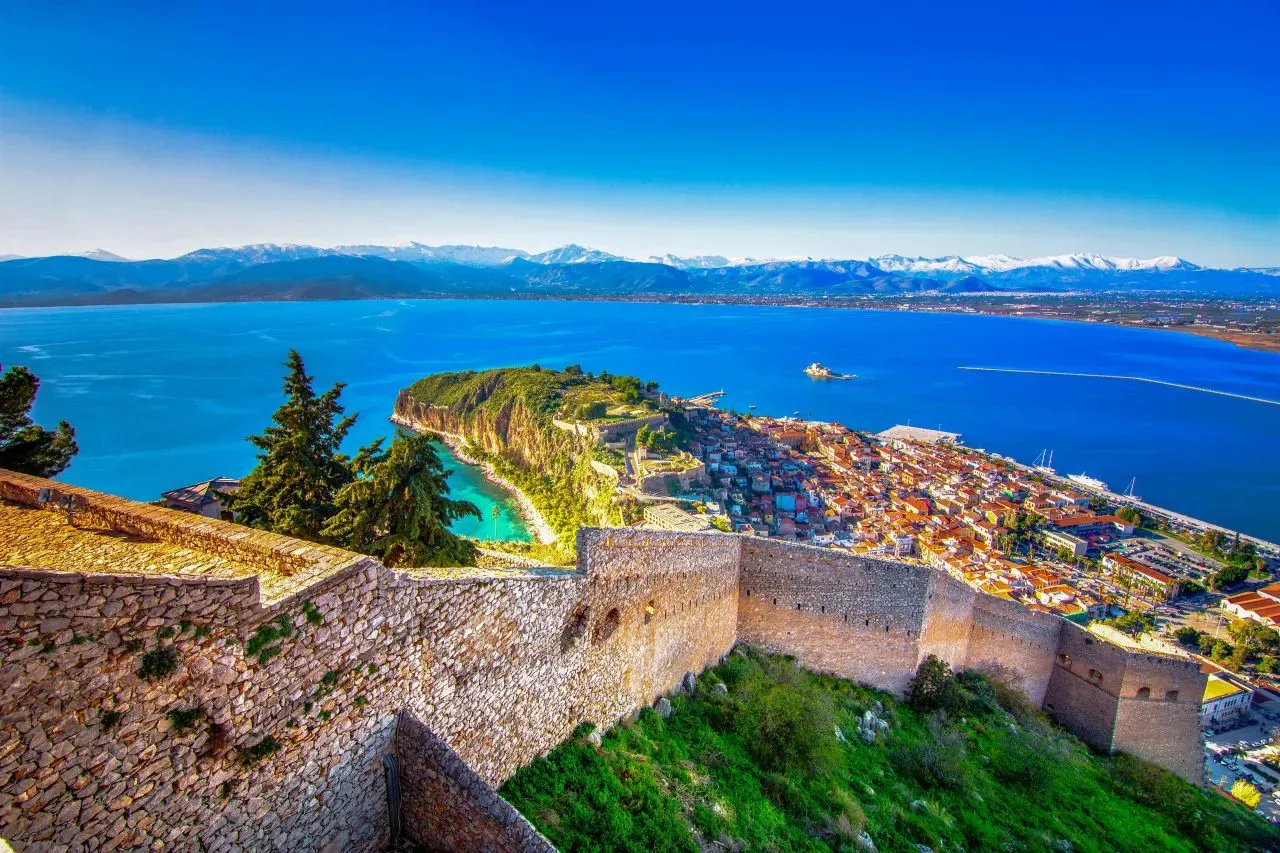
The Concerto Grosso Laïko is divided into three movements – Tripolitsa, Mesolongi, and Navarino – which refer to three notable locations of the Revolutionary War’s struggle: the early major victory at Tripolitsa, followed by major setbacks, and Mesolongi’s long siege and massacre, and culminating in Navarino’s decisive sea battle.
We expect to release our recording of the Concerto Grosso Laïko in 2026, and we look forward to the March 2027 performance in New York, which will occur several months prior to the 200th Anniversary of the Battle of Navarino. We are hoping to perform the piece in Greece during the Bicentennial celebration of that historic Battle. Please enjoy sneak peaks from our recording session!


.avif)
.png)

.png)


.png)


.png)


.jpg)
